By Sharon Kyatusiimire
August 5th, 2026
WINDHOEK, NAMIBIA; The future of African media, the growing influence of artificial intelligence and the need to strengthen women’s leadership will take centre stage when journalists, editors, media leaders, researchers, innovators and other industry stakeholders converge in Windhoek, Namibia, for the 10th annual African Women in Media (AWiM) Conference and Global Forum.
Scheduled for 3nd to 4th December 2026, AWiM26 will be held under the theme “Powering Women’s Leadership: Media, Economics and Governance.” The landmark gathering comes as African media organisations navigate rapid technological change, shifting economic realities and growing concerns around representation, safety, ownership and access to opportunities.
For a decade, AWiM has worked to create enabling environments for African women working in media while challenging the ways women are represented in media content. The organisation uses research, advocacy, partnerships, training and knowledge exchange to push for more equitable media systems.
At AWiM26, the conversation will go beyond representation to examine who holds power, who controls resources and how African media can become more inclusive and sustainable.
The conference will explore three broad areas: media, power and narrative leadership; resources, ownership and the future of creative work; and governance, participation and rights. Participants will engage through research presentations, panels, roundtables, practical workshops, masterclasses, policy labs and creative showcases.
One of the most pressing conversations ahead of the conference is the growing role of artificial intelligence in journalism.
Across the continent, AI is increasingly becoming part of newsroom workflows, from content production and transcription to research and other forms of digital journalism. But AWiM's research into AI, Newsrooms and African Women Journalists suggests that the technology is not being adopted in a gender-neutral environment.
The research found that women journalists are often doing what AWiM describes as “invisible labour” by teaching themselves how to use AI tools without sufficient institutional support. It also identified concerns around trust, safety and the possibility that AI systems could reproduce sexist stereotypes and co ntribute to online harassment targeting women journalists.
The challenge, therefore, is not simply whether African newsrooms should adopt AI, but how they can adopt it responsibly and equitably.
AWiM has responded with capacity-building initiatives focused on gender-responsive AI policy and leadership, African-centred localisation and design of AI tools, as well as AI literacy and technical mastery for women in media.
The organisation's broader AI project also seeks to develop practical guidelines for media organisations, increase awareness of the gendered impact of AI and equip women journalists with skills to use emerging technologies ethically and effectively.
The future of African media cannot be separated from the way women and girls are represented in news and public discourse.
AWiM has continued to place violence against women and girls (VAWG) and gender-based violence within its media agenda, recognising the influence journalism has on public understanding of violence, accountability and the experiences of survivors.
The organisation has previously worked on initiatives focused on improving reporting on VAWG and has contributed to the Kigali Declaration on the Elimination of Gender Violence in and through Media in Africa, which seeks stronger policy and practice around gender violence and the media.
AWiM's ongoing work around digital safety also highlights the increasingly blurred boundaries between online and offline violence, particularly for women whose professional visibility exposes them to gendered harassment and abuse.
This makes the conversation around VAWG reporting particularly important as newsrooms increasingly operate across traditional, digital and social media platforms.
AWiM26 will also place emphasis on the economic realities facing women in media and creative industries.
The conference is expected to launch the Windhoek Framework for Inclusive Media Economies, which seeks to promote fair participation of African media organisations and creators in regional and global media systems.
The framework focuses on fair market access for African media and cultural producers, equitable global partnerships and stronger digital protection for intellectual property, data, creators' rights and safety.
These questions are increasingly important for women-led media enterprises and independent media entrepreneurs, who often have to navigate limited access to financing, markets, technology and professional networks.
One initiative responding directly to this challenge is AWiM's Pitch Zone Accelerator, which targets women-led early-stage media and creative startups and provides an avenue for entrepreneurs to develop and scale their ideas. The initiative reflects AWiM's wider focus on moving beyond conversations about women in media towards creating tangible economic opportunities for them.
Beyond the formal sessions, AWiM26 is expected to provide an opportunity for professionals from different parts of Africa and beyond to exchange experiences, build partnerships and explore new approaches to media production and leadership.
For journalists and editors, the gathering offers a space to examine how technology is changing their profession. For researchers and policymakers, it provides an opportunity to translate evidence into policy and practice. For media entrepreneurs and innovators, it creates opportunities to connect with potential partners, investors and collaborators.
For women working across Africa's media landscape, the larger question is one of influence: how can women move from being represented in media systems to having greater power in shaping, owning and leading them?
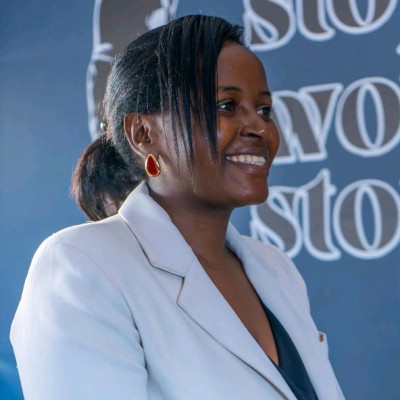
Sharon Kyatusiimire
Co-Founder & Executive Director, She-Voice Uganda. Gender Responsive Reporting and Communication Trainer, Journalist, Public Relations specialist, Content Developer, Women Empowerment Activist.